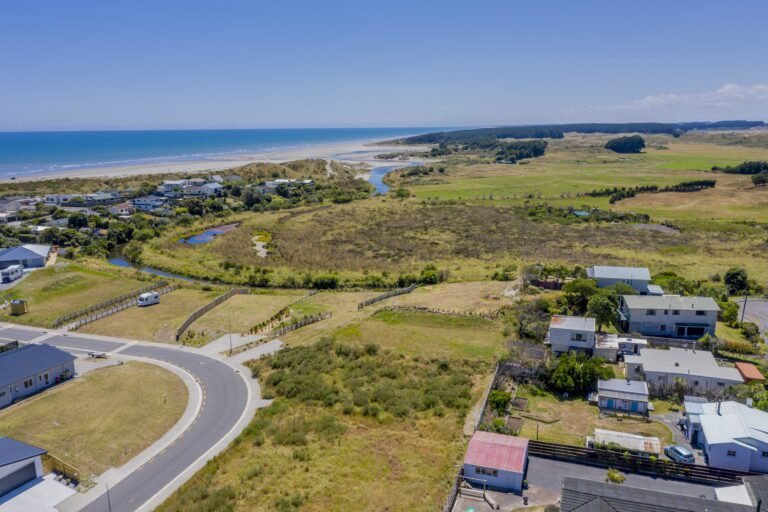
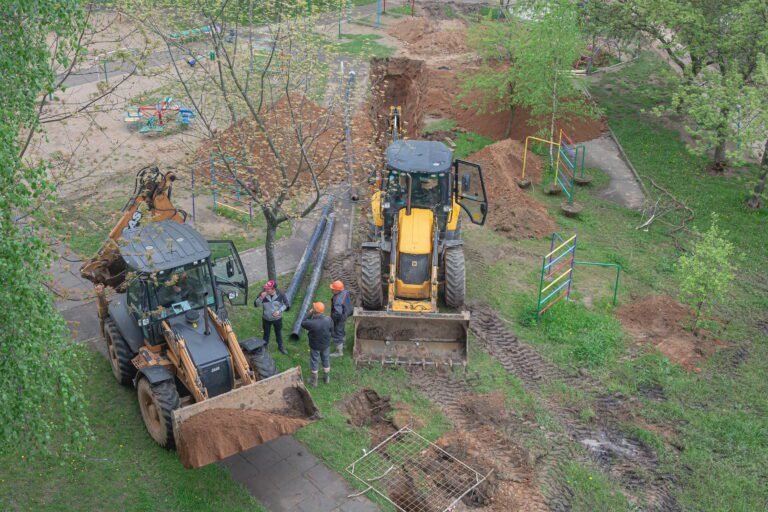
Land clearing is often the first major step in preparing property for residential construction, commercial developments, agricultural improvements, road access projects, and utility installations. Removing trees, brush, stumps, and vegetation creates space for development, but the process involves more than heavy equipment and excavation.
In Southwest Washington, land clearing projects must often meet local permitting requirements and environmental regulations designed to protect water quality, wildlife habitats, wetlands, erosion-prone areas, and surrounding properties.
Property owners who begin clearing without understanding these requirements may encounter project delays, fines, environmental damage, or costly restoration work. Whether preparing land for a new home, expanding commercial property, or developing acreage, understanding permit requirements and environmental responsibilities helps projects move forward more efficiently.
This guide explains land clearing permits and key environmental considerations for development projects throughout Southwest Washington.
Why Land Clearing Requires More Planning Than Many Property Owners Expect
Land clearing seems straightforward on the surface:
- Remove trees
- Clear brush
- Level land
- Prepare for construction
However, land often contains environmental features that affect development decisions.
Examples include:
- Wetlands
- Seasonal drainage areas
- Streams
- Steep slopes
- Protected vegetation
- Wildlife habitats
- Flood zones
- Sensitive soils
Clearing activities may influence:
- Water movement
- Soil stability
- Stormwater runoff
- Ecosystems
- Neighboring properties
Because of these impacts, local governments frequently regulate how and when land clearing occurs.
Proper planning protects both the project and the environment.
Understanding Land Clearing Activities Covered by Permits
Not every clearing project requires the same level of approval.
Small residential projects may involve limited vegetation removal, while large developments often require extensive review.
Land clearing activities commonly include:
Tree Removal
Projects may require removing:
- Large trees
- Hazard trees
- Forested sections
- Overgrowth
- Root systems
Tree removal regulations sometimes depend on:
- Property zoning
- Tree size
- Protected species
- Environmental areas
Brush and Vegetation Clearing
Brush removal improves access and visibility.
Common activities include:
- Shrub clearing
- Blackberry removal
- Underbrush cutting
- Weed management
- Vegetation thinning
Stump Removal
Stumps left underground may affect:
- Foundation support
- Soil stability
- Drainage performance
Removing them often becomes necessary before construction.
Grubbing and Root Removal
Grubbing removes underground organic material.
This step helps prevent:
- Soil settlement
- Sink areas
- Future structural movement
Why Permits Matter for Development Projects
Permits help ensure development happens safely and responsibly.
They allow agencies to evaluate:
- Environmental impact
- Drainage changes
- Erosion risk
- Utility conflicts
- Habitat protection
- Stormwater management
Skipping permit requirements can create serious complications.
Possible consequences include:
- Stop-work orders
- Project delays
- Restoration requirements
- Additional engineering reviews
- Financial penalties
Permit compliance often saves time compared to correcting violations later.
Environmental Areas That Commonly Affect Land Clearing Projects
Southwest Washington contains varied landscapes that may influence project planning.
Several environmental features frequently require additional review.
Wetlands
Wetlands play an important role in:
- Water filtration
- Flood reduction
- Habitat preservation
- Groundwater support
They may include:
- Marshes
- Seasonal wet areas
- Saturated soils
- Vegetated depressions
Clearing near wetlands often requires special evaluation.
Disturbing these areas without approval may trigger environmental violations.
Streams and Waterways
Properties containing:
- Creeks
- Drainage channels
- Seasonal streams
- Tributaries
may have setback requirements.
Vegetation near waterways helps:
- Prevent erosion
- Filter runoff
- Protect aquatic environments
Clearing too close to water increases sediment movement.
Flood-Prone Areas
Some development sites lie within flood-risk zones.
Land clearing in these locations requires careful drainage planning because removing vegetation can alter water flow patterns.
Improper work may increase:
- Flooding
- Soil movement
- Property damage
- Runoff intensity
Steep Slopes
Hillsides and sloped terrain require extra attention.
Clearing vegetation from steep areas may lead to:
- Landslides
- Erosion
- Slope instability
- Sediment transport
Retaining systems and erosion controls may become necessary.
Erosion Control Is One of the Most Important Environmental Concerns
Once vegetation is removed, soil becomes exposed.
Rainfall can quickly move loose sediment across the site.
This creates problems such as:
- Mud runoff
- Storm drain blockage
- Water contamination
- Property damage
- Slope failure
Common Erosion Control Methods
Developers often use several protection systems.
Silt Fencing
Silt fences capture sediment before it leaves the site.
These temporary barriers help reduce runoff contamination.
Straw Mulch
Mulch protects exposed soil by reducing rainfall impact.
Benefits include:
- Moisture retention
- Reduced erosion
- Surface stabilization
Hydroseeding
Hydroseeding establishes vegetation quickly after clearing.
New plant growth improves:
- Soil stability
- Water absorption
- Erosion resistance
Sediment Basins
Larger projects may require collection areas for runoff.
These systems capture water and suspended soil before discharge.
Stormwater Management Requirements for Development Sites
Stormwater planning is often tied directly to land clearing approvals.
Removing vegetation changes how water behaves.
Natural land absorbs rainfall through:
- Roots
- Organic material
- Ground cover
After clearing:
- Water moves faster
- Runoff increases
- Soil becomes vulnerable
Stormwater systems help manage these changes.
Common solutions include:
Retention Ponds
Retention systems temporarily store runoff.
This reduces flooding risk.
Drainage Swales
Swales redirect water safely across properties.
Infiltration Areas
These systems encourage water absorption into the ground.
Culverts and Conveyance Structures
They control runoff movement and protect access areas.
Proper stormwater planning reduces environmental impact.
Tree Preservation and Vegetation Management
Not every tree should automatically be removed.
Selective clearing often produces better environmental and development outcomes.
Benefits include:
- Reduced erosion
- Shade preservation
- Habitat protection
- Improved drainage
- Better aesthetics
Tree retention strategies may involve:
- Preserving boundary vegetation
- Maintaining buffer zones
- Protecting mature trees
- Limiting unnecessary clearing
Keeping strategic vegetation frequently reduces site stabilization costs.
Wildlife and Habitat Considerations
Land clearing may affect local wildlife.
Southwest Washington supports many species that depend on forests, wetlands, and natural corridors.
Development projects should evaluate:
- Nesting areas
- Migration routes
- Habitat connectivity
- Sensitive vegetation zones
Removing large areas of vegetation without planning may disrupt ecological systems.
Responsible development balances land use with habitat protection.
Soil Conditions Influence Environmental Planning
Different soil types react differently during clearing.
Some soils drain well.
Others retain moisture and become unstable.
Common construction concerns include:
Clay Soils
Clay expands when wet and contracts when dry.
Potential issues:
- Foundation movement
- Drainage problems
- Surface cracking
Sandy Soils
Sandy areas drain quickly but may erode easily.
Organic Soil
Organic material decomposes over time.
Building over it increases settlement risk.
Saturated Soil
Wet soils reduce equipment efficiency and increase disturbance.
Understanding soil conditions improves project planning.
Utility Planning Should Happen Before Clearing Begins
Land clearing often exposes existing infrastructure.
Property owners should identify:
- Water lines
- Septic systems
- Utility easements
- Gas lines
- Electrical routes
- Communication systems
Clearing without locating utilities may result in:
- Service interruptions
- Safety hazards
- Repair costs
- Delays
Utility coordination protects both workers and infrastructure.
Seasonal Timing Can Affect Land Clearing Success
Weather plays a major role in Southwest Washington projects.
Rainfall patterns influence:
- Soil moisture
- Access conditions
- Erosion risk
- Equipment performance
Wet Season Challenges
Heavy moisture may cause:
- Mud
- Rutting
- Soil displacement
- Drainage complications
Dry Season Advantages
Drier periods often improve:
- Site access
- Soil stability
- Equipment efficiency
- Erosion management
Planning around weather conditions helps maintain environmental compliance.
Residential vs Commercial Land Clearing Requirements
Permit complexity often depends on project size.
Residential Projects
Typical examples include:
- New homes
- Garages
- Driveways
- Small lot preparation
These projects may require:
- Vegetation review
- Grading approval
- Drainage planning
Commercial Developments
Commercial projects usually involve:
- Larger footprints
- Parking lots
- Utilities
- Stormwater systems
- Extensive grading
Additional engineering and environmental review are often necessary.
Consequences of Improper Land Clearing
Ignoring permits or environmental conditions creates long-term risks.
Common problems include:
Excessive Runoff
Water moves faster after vegetation removal.
This increases flood potential.
Soil Loss
Erosion removes valuable topsoil.
Replacing it increases project costs.
Structural Instability
Poor preparation contributes to:
- Settlement
- Drainage failure
- Foundation movement
Environmental Damage
Disturbed habitats and waterways may require restoration.
Project Delays
Corrective work often slows construction schedules.
Preventative planning is usually more efficient.
Best Practices for Environmentally Responsible Land Clearing
Successful projects combine development goals with environmental protection.
Recommended practices include:
Conduct Site Evaluations Early
Identify:
- Wet areas
- Drainage paths
- Slopes
- Soil conditions
Use Selective Clearing
Remove only necessary vegetation.
Protect Existing Trees
Preserve mature trees whenever possible.
Install Erosion Controls First
Protection systems should be ready before major clearing starts.
Plan Stormwater Systems Early
Drainage solutions should not wait until construction begins.
Work With Experienced Contractors
Qualified teams understand:
- Site development
- Environmental requirements
- Grading
- Drainage management
How Professional Land Clearing Services Support Compliance
Professional site contractors help reduce uncertainty.
They often assist with:
- Clearing plans
- Grading strategies
- Drainage preparation
- Erosion control
- Site stabilization
- Development coordination
Experienced crews recognize issues before they become costly problems.
Proper planning also helps projects stay on schedule.
Final Thoughts
Land clearing is one of the most important stages of property development, but it extends far beyond removing trees and vegetation.
Development projects throughout Southwest Washington often involve environmental considerations related to wetlands, slopes, runoff, erosion, drainage, wildlife, and stormwater management.
Understanding permit requirements and environmental responsibilities helps property owners avoid delays, reduce risk, and protect long-term project value.
Responsible land clearing supports:
- Safer construction
- Better drainage performance
- Reduced erosion
- Stronger foundations
- Environmental protection
- More efficient development timelines
Whether preparing land for a new home, commercial facility, utility installation, or larger development project, investing time in planning and environmental review creates a stronger foundation for successful construction.