In Kelso and across Cowlitz County, excavation costs swing a lot more than most property owners expect. The difference usually isn’t the hourly rate—it’s access, soils, utilities, and where the material has to go once it’s out of the hole.
This guide breaks down what actually drives excavation pricing in Southwest Washington so you can budget realistically and get bids that are apples-to-apples.
What most excavation quotes include (and what they don’t)
A typical excavation scope for a residential build or site improvement can include clearing, stripping topsoil, cut/fill, rough grading, trenching, import/export, and finish grading. Some contractors include all of that; others quote only “dig and stockpile” and leave hauling, compaction, and drainage for later.
If you’re comparing bids, confirm whether the price includes:
- Mobilization and equipment delivery
- Utility locate coordination (811) and hand digging around marked lines
- Hauling/export fees and disposal destination
- Compaction and proof-rolling (if required)
- Drainage improvements and surface water control
If you’re not sure where your project fits, start with Brynion’s site prep services overview and then request a site visit through the contact page.
The biggest price drivers in Cowlitz County excavation
1) Access, staging, and working room
On a tight lot in Kelso or Longview, the same cut can take longer because the operator has to “handle” material multiple times, protect utilities, and stage spoils. If trucks can’t get close, you pay for extra machine time moving material to a load-out point.
2) Soil type and moisture
Southwest Washington sites commonly deal with:
- Silty clay that pumps and won’t compact when wet
- Alluvial sands/gravels near rivers that can slough in open cuts
- Fill soils that vary by the bucket and need over-excavation to reach firm subgrade
When soils are wet (typical fall through spring), dewatering, over-excavation, and imported structural fill can be the difference between “looks flat” and “buildable.”
3) Utilities and unknowns underground
Marked utilities slow production for safety. Unknown private lines (old water, irrigation, power to outbuildings) can add time and require careful exposure digging. Trenching and excavation hazards are real; the Washington L&I guidance on trenching and excavation is worth reading before any deeper dig (WA L&I trenching and excavation).
4) Haul distance and disposal fees
Exporting material is often the biggest single line item. Even if the digging is fast, trucking, dump fees, and travel time add up quickly. If your site can balance cut/fill onsite, you usually save.
5) Equipment class and attachments
A compact excavator can work in backyards but may take longer. A mid-size excavator moves material faster but needs room. Common setups include:
- 3–6 ton mini excavators for tight access and utility work
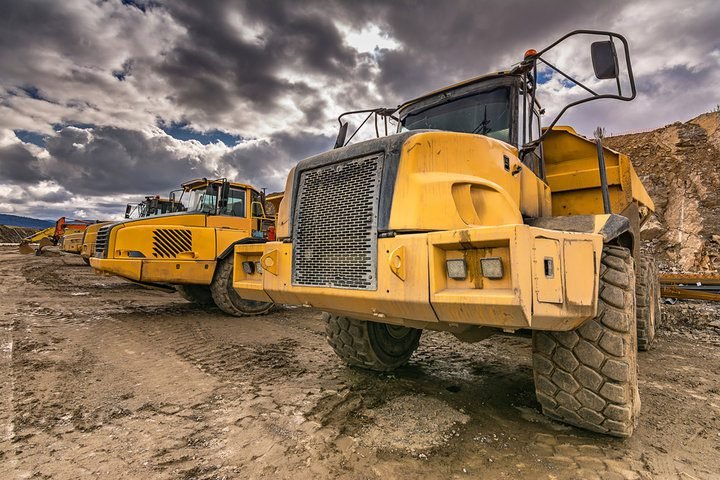
- 12–20 ton excavators for foundations, pads, and bulk excavation
- Skid steer/track loader for grading and material handling
- Dozer for bulk grading on open sites
Permits and inspection coordination (Cowlitz, Lewis, Clark)
Whether you need a permit depends on jurisdiction and scope. For example, grading that changes drainage patterns or ties into a building permit often triggers review. Start with your county guidance:
- Cowlitz County building permits
- Lewis County Community Development
- Clark County building permits and inspections
On sites that disturb enough area to require construction stormwater coverage, you may also need a Construction Stormwater General Permit through Washington Ecology (Ecology CSGP).
How to get a bid that doesn’t change mid-project
- Provide a clear plan (even a simple sketch) with target pad elevation and limits of work.
- Ask how spoils are handled: stockpile onsite vs export, and what happens if soils are unsuitable.
- Confirm compaction expectations: lifts, moisture conditioning, and whether testing is anticipated.
- Discuss drainage early: swales, downspout discharge, and where water will go in heavy rain.
Brynion can also coordinate related work like grading, excavation, and land clearing so the site is ready for the next trade.
FAQs
Can excavation be priced per hour instead of by the job?
Yes, especially for smaller projects or unknown conditions. For larger scopes, a fixed-price bid is common when the plan and site conditions are clear.
What’s the fastest way to reduce excavation cost?
Improve access for equipment and trucks, and plan for onsite balancing so you don’t pay for extra export/import.
Do I need to call 811 before an excavation contractor starts?
Yes. Utility locating is a safety requirement and helps prevent costly damage. Private lines may still need additional locating.
When is the best season for excavation in Southwest Washington?
Summer is typically easiest because soils are drier and compaction is more reliable, but most projects can be managed year-round with the right planning.
If you’re planning excavation in Kelso, Longview, or anywhere in Cowlitz, Lewis, or Clark County, reach out to Brynion Excavation for a practical site walk and a clear scope. Start here: contact Brynion Excavation.